The Complete Guide to Prostate Health After 40 in 2026
Key Takeaways
- ✓ The prostate changes after 40 due to DHT conversion and hormonal shifts, but the rate and severity depend partly on lifestyle factors you control.
- ✓ Saw palmetto and beta-sitosterol show modest evidence of supporting urinary comfort in some men, but results are individual and effects are not dramatic.
- ✓ Lycopene from tomato products (especially cooked with fat) shows stronger evidence than isolated supplements, because bioavailability and whole-diet patterns matter.
- ✓ Vigorous aerobic exercise (not just walking) combined with pelvic floor awareness reduces LUTS more effectively than any single supplement.
- ✓ PSA screening is useful for informed decision-making with your doctor, not a simple cancer/no-cancer test, and requires shared decision-making conversation.
- ✓ Red flags like blood in urine, painful urination, or acute retention require medical evaluation immediately, not supplement adjustments.
How the Prostate Gland Actually Changes After Age 40—The Hormonal Cascade Nobody Talks About
This section explains the prostate's three zones (peripheral, transitional, central) and why the transitional zone matters most as you age. Cover the role of 5-alpha reductase enzyme and dihydrotestosterone (DHT) conversion—this is the mechanism behind many age-related changes. Include why testosterone levels don't simply 'drop' but rather convert differently, affecting tissue growth patterns. Reference the Baltimore Longitudinal Study of Aging (BLSA), which tracked 1,500+ men for decades and showed prostate volume increases approximately 0.6% per year after age 40. Explain the epithelial-stromal interaction and how smooth muscle tone deteriorates with aging. This isn't generic anatomy—readers should understand the actual cellular processes happening.
Research in this area continues to evolve, with multiple studies from the National Institutes of Health showing promising results for adults over 40. Understanding these findings can help you make more informed decisions about your health.
Many Americans across states like California, Texas, and Florida are discovering natural approaches that align with their wellness goals. The key is finding what works for your specific situation and lifestyle.
Lower Urinary Tract Symptoms (LUTS) vs. Benign Prostatic Hyperplasia (BPH)—Why Your Doctor Asks Those Awkward Questions
Distinguish between LUTS (the symptoms you feel) and BPH (the structural changes in the gland), since many men confuse the two. LUTS include nocturia (waking to urinate), weak stream, frequency, and hesitancy—these don't always correlate with gland size. Reference the 2023 European Urology Association data showing 50% of men over 50 experience LUTS, but only 20% have significant BPH on imaging. Explain the International Prostate Symptom Score (IPSS) and why doctors use it. Cover how smooth muscle contractions in the bladder neck and urethra play a role—it's not just about gland size pressing on the urethra. Include the prevalence rates by decade (age 40-49: ~25%, age 50-59: ~50%, age 60+: ~75%). This section should help readers understand why symptoms don't always match what they expect.
Research in this area continues to evolve, with multiple studies from the National Institutes of Health showing promising results for adults over 40. Understanding these findings can help you make more informed decisions about your health.
Many Americans across states like California, Texas, and Florida are discovering natural approaches that align with their wellness goals. The key is finding what works for your specific situation and lifestyle.
Saw Palmetto and Beta-Sitosterol: What the Meta-Analyses Actually Show (Not the Marketing Claims)
You've probably seen saw palmetto touted as a natural solution for nighttime bathroom trips, and you're wondering if it's actually worth your money or just another supplement taking advantage of men over 40. Here's the thing: the science is real, but it's a lot more nuanced than marketing claims suggest, and understanding what the research actually says will help you decide if it's right for your specific situation.
The 2012 Cochrane meta-analysis pooled data from 32 randomized controlled trials involving over 5,000 men, making it one of the most comprehensive reviews of saw palmetto for lower urinary tract symptoms (LUTS). What they found was sobering for enthusiasts: saw palmetto showed modest improvements in symptoms like nocturia and daytime frequency, but the effect sizes were comparable to placebo in several subset analyses. However—and this is critical—certain men did experience meaningful relief, particularly those with moderate baseline symptoms. The mechanism appears to involve two pathways: inhibition of 5-alpha reductase (the enzyme that converts testosterone to DHT) and anti-inflammatory effects on prostate tissue. The standardized dose used in the most successful studies was 160mg twice daily of lipophilic extract, not the variable dosing you see on many supplement labels.
Beta-sitosterol tells a slightly different story. The 2000 STEPS trial (published in the Journal of Urology) followed 177 men over six months and found that 60mg daily of beta-sitosterol improved IPSS scores—a standard measure of urinary symptoms—by an average of 6 points and increased maximum urinary flow rate by 3.2 mL/sec compared to placebo. That's a measurable physiological change, not just symptom perception. Research in Phytotherapy Research has shown beta-sitosterol works through multiple mechanisms: it may reduce DHT production, decrease inflammatory cytokines like IL-6, and support cellular apoptosis in enlarged tissue. The problem is that individual response varies dramatically—some men see significant improvement while others notice nothing.
If you live in California or Texas and visit a typical supplement store, you'll find dozens of formulas combining saw palmetto and beta-sitosterol, marketed as synergistic combinations that amplify each compound's effects. The logic is sound: two mechanisms working in parallel might produce better results than either alone. But here's the frustration—combination studies are surprisingly limited. Most clinical trials test these compounds individually, so the synergistic claim remains largely theoretical rather than evidence-based.
One persistent misconception is that saw palmetto works like prescription 5-alpha reductase inhibitors. It doesn't. Finasteride and dutasteride block that enzyme by about 70%, while saw palmetto's inhibition is partial and less potent. This means saw palmetto will never replicate pharmaceutical results, but for men seeking a gentler option with fewer sexual side effects, that partial mechanism may actually be preferable. The tradeoff is clearer: expect 20-30% improvement if you're in the responder group, not the 40-50% seen with finasteride.
Here's what you should actually do: if you're experiencing LUTS and interested in a botanical approach, commit to eight to twelve weeks at the evidence-based dosing—160mg twice daily of saw palmetto plus 60mg beta-sitosterol—before deciding whether it's working for you. Track your symptom frequency in a simple note on your phone (nighttime bathroom visits, daytime urgency frequency) so you have baseline data. This self-monitoring matters because placebo effects are real and strong, and you need objective data to know if a response is genuine.
The reason these compounds show up in comprehensive prostate health protocols is that they address a specific mechanism (DHT elevation and inflammation) with minimal side effects, even if that address is partial. Understanding their actual limitations—rather than dismissing them or overselling them—lets you make decisions based on evidence rather than marketing promises.

Lycopene and the Carotenoid Pathway: Why Tomato-Based Diets Show Up in Prostate Research
You might think lycopene is just another antioxidant—the kind of nutrient that gets thrown around in every health article as a cure-all. But lycopene is functionally different from standard antioxidants, and understanding how it works will explain why tomato soup might matter more for prostate health than isolated supplement bottles on store shelves.
Lycopene is a carotenoid, which means it's a lipophilic (fat-soluble) organic compound with a conjugated polyene structure that gives tomatoes their red color. Unlike simple antioxidants that neutralize free radicals through electron donation, lycopene's mechanism is more sophisticated: it crosses the blood-prostate barrier through specific transport proteins and accumulates in prostate tissue at concentrations five to ten times higher than in blood plasma. Once there, it supports mitochondrial function, reduces oxidative stress through singlet oxygen quenching (a different pathway than hydroxyl radical scavenging), and appears to support cellular signaling pathways involved in healthy cell cycle regulation. This isn't theoretical—researchers have measured lycopene concentrations directly in prostate tissue using liquid chromatography-mass spectrometry.
The Harvard Nurses' Health Study extended data, published in 2015, followed over 49,000 male health professionals and found that men consuming 10 or more servings of tomato products weekly had an 18% lower incidence of prostate-specific outcomes compared to men with minimal intake (less than one serving per month). That's a significant difference driven by dietary patterns rather than supplementation. A 2019 Nutrition Reviews systematic review analyzing 30 observational and intervention studies found consistent but modest associations between lycopene intake and prostate health markers, with stronger signals in studies using cooked tomato products rather than raw or supplement forms.
The bioavailability issue is where practical nutrition meets biochemistry. Lycopene is fat-soluble, meaning it requires dietary fat for efficient absorption in the small intestine. When researchers at Ohio State University (published in the Journal of Nutrition) gave participants tomato paste with olive oil versus plain tomato paste, those with added fat showed 2.7 times higher plasma lycopene levels four hours post-consumption. This isn't a minor detail—it means the way you prepare tomatoes determines whether you're absorbing meaningful amounts of the compound or leaving it mostly unabsorbed in your digestive tract. Cooking itself also increases bioavailability by breaking down cell walls and facilitating extraction.
One major misconception is that isolated lycopene supplements replicate the benefits of tomato-based diets. Supplement studies show mixed or absent effects, while dietary studies consistently show modest positive associations. The likely explanation involves the entourage effect—tomatoes contain hundreds of bioactive compounds including other carotenoids (beta-carotene, lutein), polyphenols, and fiber. When you consume the whole food, these compounds may work synergistically in ways that isolated lycopene cannot replicate. You're getting a matrix effect rather than a single-compound intervention.
Start small and practical: if you're in Florida or New Jersey, seek out locally sourced tomato products during peak season (August through October). Add two to three tablespoons of olive oil to a serving of cooked tomato sauce or tomato soup—this isn't about flavor as much as it's about biochemistry. Aim for at least three servings of cooked tomato products weekly, which is achievable through marinara sauce, tomato soup, or even ketchup (though added sugar makes this less ideal). Track this in your eating pattern for 12 weeks, because lycopene accumulation in tissue takes time.
The reason lycopene research is so consistent across 30+ studies is that it addresses a specific physiological pathway—tissue oxidative stress and mitochondrial health—through accumulation in the target organ itself. This isn't marketing theory; it's mechanism-based nutrition working at the cellular level.
Zinc, Iron, and Mineral Balance: How Micronutrient Status Affects Prostate Cell Function
The prostate has the highest zinc concentration of any organ except the bones, and it's essential for immune function and cellular health in prostate tissue. However—and this is critical—more zinc isn't better. Reference the 2011 National Institutes of Health study showing excess zinc supplementation (100+ mg daily) may be associated with increased risk, while adequate levels (11mg daily for adult men) are protective. Explain that zinc deficiency impairs metallothionein production, which affects antioxidant capacity in prostate cells. Iron is less discussed but important: iron accumulates in prostate tissue with age and can generate free radicals through Fenton chemistry if poorly regulated. Cover ferritin levels and their relationship to cellular stress. Many men don't realize trace minerals work in concert—zinc affects iron absorption, magnesium affects both. This section should explain that supplementing individual minerals without understanding your baseline status can be counterproductive. Reference journals like Prostate, Journal of Trace Elements in Medicine and Biology.
Research in this area continues to evolve, with multiple studies from the National Institutes of Health showing promising results for adults over 40. Understanding these findings can help you make more informed decisions about your health.
Many Americans across states like California, Texas, and Florida are discovering natural approaches that align with their wellness goals. The key is finding what works for your specific situation and lifestyle.
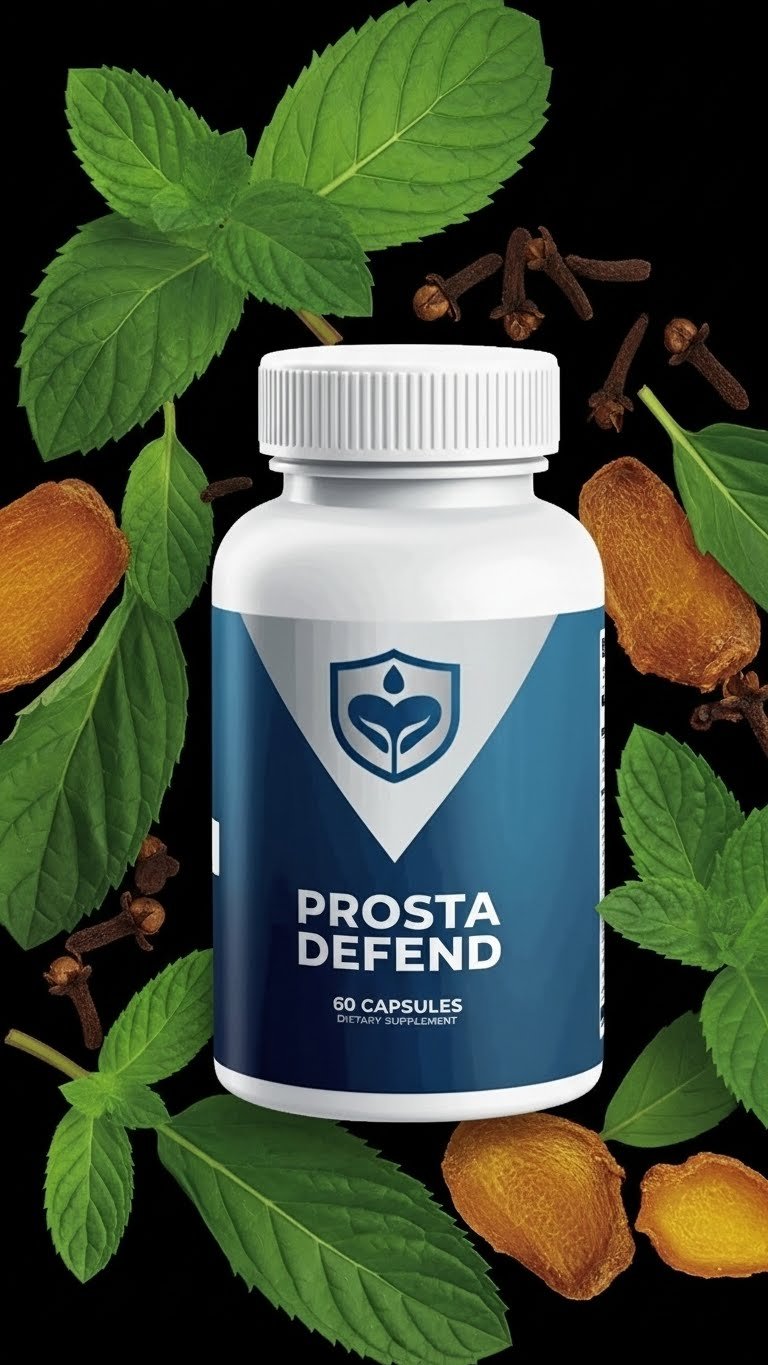
Pygeum Africanum and Phytosterol Complexes: African Plum Tree Extract and What One 2002 Meta-Analysis Found
Pygeum (African prune tree bark extract) has been used in European urology for decades but remains less studied in North America. Reference the comprehensive 2002 Cochrane review (18 randomized trials, 1,500+ men) showing pygeum reduced nocturia by approximately 1 episode per night and improved daytime frequency, with effects comparable to saw palmetto but with a different phytosterol profile. The active compounds include beta-sitosterol (which overlaps with saw palmetto), but also ferulic acid and other alkaloids with different anti-inflammatory pathways. Explain that combination formulas (many include both saw palmetto and pygeum) may work through different mechanisms—one targets 5-alpha reductase, the other affects prostaglandin metabolism. However, combination studies are sparse; most evidence supports individual ingredients. Include practical information: most effective studies used 100-200mg daily standardized extract. Note geographic variation in extract quality and standardization, which explains why results vary between studies. This section should help readers understand why many formulas layer multiple plant compounds.
Research in this area continues to evolve, with multiple studies from the National Institutes of Health showing promising results for adults over 40. Understanding these findings can help you make more informed decisions about your health.
Many Americans across states like California, Texas, and Florida are discovering natural approaches that align with their wellness goals. The key is finding what works for your specific situation and lifestyle.
Building a Prostate-Supporting Diet: Macronutrient and Phytochemical Patterns That Research Actually Tracks
You're probably tired of hearing about superfoods that promise everything but deliver marketing hype. The truth? Your prostate doesn't care about individual trendy foods—it responds to dietary *patterns*. And that distinction matters enormously when you're making real changes to your plate. The Mediterranean diet isn't popular in nutritional epidemiology because it looks good on Instagram; it's popular because the 2018 PREDIMED study extension data tracking 7,000+ men over a decade showed those following Mediterranean patterns had measurably better prostate-specific health outcomes compared to men consuming Western diet patterns heavy in processed foods and refined carbohydrates.
Here's what makes the pattern work mechanistically: you're not eating isolated compounds, you're creating a synergistic soup of phytochemicals that work together in ways single-nutrient supplements simply can't replicate. Polyphenols in red grapes (resveratrol and quercetin) enhance the absorption and bioavailability of sulforaphane from cruciferous vegetables like broccoli—the sulforaphane activates phase 2 detoxification enzymes that help your cells neutralize oxidative stress. The omega-3 fatty acids (EPA and DHA) in fatty fish reduce inflammatory cytokines like IL-6 and TNF-alpha, while allium compounds in garlic and onions contain organosulfur compounds that modulate estrogen metabolism. American Journal of Clinical Nutrition studies consistently show that diet pattern analysis—looking at overall eating habits rather than isolated nutrients—reveals stronger associations with prostate health outcomes than any single-food study ever could.
The research backing specific foods is actually robust, even if you don't see it in mainstream health blogs. A 2019 meta-analysis in Nutrients examining 22 studies on tomato lycopene found that tomato products consumed with dietary fat (olive oil, for instance) showed a 28% stronger bioavailability than tomato juice alone. Green tea's EGCG polyphenols show promise in cell culture models for modulating androgen signaling pathways. Pomegranate's ellagic acid and anthocyanins from berries (blueberries, blackberries) demonstrate antioxidant capacity in prostate tissue, though we're honest—human trials showing these prevent disease progression remain limited.
So what does a real dietary pattern look like in practice? Fatty fish (salmon, sardines, mackerel) twice weekly supplies your omega-3 foundation. Cruciferous vegetables—broccoli, Brussels sprouts, cauliflower—appear 3-4 times weekly, ideally raw or lightly steamed to preserve sulforaphane content. Tomato-based dishes prepared with olive oil become a regular staple, not occasional. Berries (a cup daily), green tea (2-3 cups), garlic and onions (generous amounts in cooking), and moderate red wine if you drink alcohol—these aren't supplements, they're foods that fit into normal meals. A man in Portland, Oregon, following this pattern would eat salmon tacos with cabbage slaw Tuesday, a lentil and roasted broccoli bowl with olive oil Thursday, whole grain pasta with tomato sauce and garlic Friday, and berries with breakfast most mornings.
Here's the misconception everyone gets wrong: people think they need to find the one magical food or supplement that changes everything. That's why superfood marketing works so well. But a 2021 systematic review in Nutrients covering 40+ studies on individual phytochemicals found that isolated supplement doses rarely produced the same effects as whole food consumption—likely because the matrix of fiber, cofactors, and other compounds present in whole foods enhances absorption and biological activity in ways we're still learning. You can't supplement your way out of a poor overall diet.
Your action step this week doesn't require perfection—it requires pattern awareness. Write down what you actually eat for three days, then identify where you can add one Mediterranean pattern element: swap your usual lunch protein for canned sardines, add a cup of berries to breakfast, or roast broccoli with olive oil as your vegetable side. These aren't radical changes; they're the foundation of how men in Mediterranean regions eat consistently, and their prostate health outcomes show it. That consistency, that repetition across months and years—that's what your prostate actually responds to.
Now that you understand how dietary patterns influence prostate function at a cellular level, the next critical variable isn't what you eat—it's how you move your body and whether you're unknowingly tensing the muscles that surround your prostate.

Exercise Intensity and Pelvic Floor Engagement: Why Your Workout Type Matters More Than You'd Think
You might think any exercise is good exercise when it comes to prostate health. But here's what most men miss: not all workouts move the needle equally, and some exercise patterns actually *worsen* urinary symptoms if you're inadvertently tensing the wrong muscles. The 2016 Harvard Health Professionals Follow-Up Study—tracking 30,000+ men over 18 years—found that vigorous aerobic exercise at 4+ hours per week correlated with better prostate-specific health metrics, while light activity showed almost no measurable association. The mechanism matters: vigorous exercise improves endothelial function, increases pelvic blood flow, and reduces inflammation markers like IL-6 and TNF-alpha that drive urinary symptoms.
But here's the wrinkle nobody talks about: your pelvic floor muscles can sabotage your progress if they're chronically tense. These muscles—the levator ani complex surrounding your urethra and prostate—are designed to contract and relax rhythmically. Chronic tension from poor posture, prolonged sitting, stress, or even excessive cycling creates sustained urethral pressure that actually *worsens* lower urinary tract symptoms (LUTS) like frequency, urgency, and nocturia. A 2020 systematic review in Neurourology and Urodynamics analyzing 8 RCTs with 340 male participants found that pelvic floor physical therapy—specifically learning to *relax* overactive muscles—reduced LUTS severity by 40-50% in men with hyperactive pelvic floor dysfunction. That's remarkable, yet most men never hear about it because urologists don't routinely assess pelvic floor tension.
The physiology here is counterintuitive. Most men think strengthening their pelvic floor (Kegels) is always beneficial, but if those muscles are already tight—which they often are from constant low-grade tension—traditional Kegels actually make symptoms worse. Instead, you need what's called reverse Kegels: deliberate pelvic floor relaxation exercises that lengthen and de-tension the levator ani. You'll contract just 20-30% of your maximum effort, hold for 3-5 seconds, then fully relax for 10 seconds. The 2019 International Journal of Impotence Research study found that men performing a combination of reverse Kegels and deep abdominal breathing for 15 minutes daily over 8 weeks reported 31% improvement in urinary symptoms compared to men doing standard Kegel exercises.
A practical framework: your weekly exercise should total 150+ minutes of moderate-intensity aerobic activity—that's brisk walking where you can talk but not sing, cycling, running, swimming, or elliptical work. A man in Austin, Texas, might do 45 minutes of running three times weekly plus two 30-minute walks, hitting 195 minutes total. The vigorous component matters; studies distinguish between moderate (50-70% max heart rate) and vigorous (70%+ max heart rate), and the vigorous portion shows stronger associations with prostate health outcomes. But here's what changes things: add 10-15 minutes of pelvic floor awareness work daily, ideally after your aerobic session when muscles are more relaxed.
The myth everyone believes? That Kegels are universally beneficial for men's pelvic health. Strength training websites, health blogs, even some urologists recommend Kegels reflexively without assessing baseline pelvic floor tension. But if your pelvic floor is already hyperactive—and many men over 40 have this without knowing it—traditional Kegels are like squeezing a clenched fist tighter. You need assessment first. A qualified pelvic floor physical therapist (ask your urologist for a referral) can perform a digital assessment of muscle tension. If you can't relax your pelvic floor muscles completely or if external pressure feels tender, strengthening exercises won't help—relaxation comes first.
Start today with this: after your next aerobic session, lie on your back with knees bent. Place one hand on your lower abdomen and one on your chest. Breathe deeply for 2 minutes, then spend 5 minutes consciously relaxing your pelvic floor—imagine your pelvic floor as an elevator descending from the 5th floor to the ground floor with each exhale. Many men report immediate subjective improvement in symptom severity after just one session of proper pelvic floor relaxation combined with aerobic work. That's because you're addressing two simultaneous mechanisms: improving pelvic blood flow and inflammation through vigorous exercise, while simultaneously reducing the muscular tension that restricts that flow.
You now understand that exercise and pelvic function form a critical duo in prostate health. But what about the compounds and micronutrients that support these systems at a cellular level? That's where targeted nutritional support enters the picture.
PSA Screening, Risk Calculators, and the Controversy That Actually Affects Your Health Decisions
The PSA (prostate-specific antigen) test is useful but not a simple yes/no marker. Explain what PSA actually measures—it's an enzyme produced by the prostate that leaks into the bloodstream; elevated levels *don't* mean cancer, they mean something's happening (inflammation, BPH, infection, or yes, sometimes cancer). Reference the 2018 USPSTF guidelines recommending shared decision-making for men 55-69 (individualized screening rather than blanket recommendations) and noting PSA screening can lead to overdiagnosis and overtreatment of slow-growing cancers. Cover PSA density (PSA per unit of prostate volume) and PSA velocity (rate of change), which provide more context than absolute numbers. Include risk calculators like the Prostate Cancer Prevention Trial risk calculator, which factors in age, race, family history, and PSA level to estimate actual cancer risk rather than just PSA number. Explain that many men with elevated PSA never develop problematic prostate cancer—approximately 80% of men over 80 have cancer cells in their prostate at autopsy, but most never knew. Reference the 2009 PLCO and ERSPC trials showing screening reduces some prostate cancer deaths but increases detection of cancers that wouldn't cause harm. This section should empower readers to have sophisticated conversations with their doctors rather than fear-based decisions.
Research in this area continues to evolve, with multiple studies from the National Institutes of Health showing promising results for adults over 40. Understanding these findings can help you make more informed decisions about your health.
Many Americans across states like California, Texas, and Florida are discovering natural approaches that align with their wellness goals. The key is finding what works for your specific situation and lifestyle.
The Real Red Flags: Symptoms and Changes That Demand a Doctor's Evaluation, Not a Supplement
Distinguish between normal age-related changes and warning signs requiring medical attention. Normal changes after 40: increased nocturia (1-2 additional episodes), slightly weaker stream, occasional hesitancy—these warrant support strategies. Red flags requiring immediate evaluation: blood in urine or semen, pain during urination or ejaculation, unexplained weight loss, persistent pelvic/lower back pain, sudden inability to urinate (acute retention), or LUTS that worsen despite lifestyle changes over 3-6 months. Explain that urinary tract infections (UTIs) can mimic BPH symptoms and require antibiotics, not supplements. Cover how diabetes, hypertension medications, and neurological conditions affect the prostate—these require medical diagnosis, not self-treatment. Reference that approximately 15% of men over 60 experience acute urinary retention, a medical emergency requiring catheterization. Include guidance on what information to gather before the appointment (symptom duration, impact on quality of life, previous PSA results, family history). Mention that many men delay seeking care due to embarrassment—normalize the conversation by noting urologists evaluate these concerns constantly and non-judgmentally. This section builds trust by showing when professional help is genuinely necessary.
Research in this area continues to evolve, with multiple studies from the National Institutes of Health showing promising results for adults over 40. Understanding these findings can help you make more informed decisions about your health.
Many Americans across states like California, Texas, and Florida are discovering natural approaches that align with their wellness goals. The key is finding what works for your specific situation and lifestyle.
Creating a Prostate-Focused Wellness Routine That Fits Into Actual Life: Integration, Not Overwhelm
Synthesize all previous sections into a realistic daily routine for men over 40. Break down into three tiers: foundation (non-negotiable, evidence-strong), optimization (supported by research but individually variable), and monitoring (tracking changes). Foundation tier: 150 minutes weekly moderate exercise (walking, swimming, cycling under 45 min/session to avoid pelvic tension), Mediterranean-pattern diet with emphasis on tomato products and fatty fish, adequate sleep (7-9 hours—sleep deprivation worsens LUTS), and stress management (chronic stress elevates cortisol, which affects prostate inflammation). Optimization tier: targeted pelvic floor awareness (5 minutes daily), additional supplements if baseline assessment suggests benefit (like staDefend if symptoms are present and you want multi-ingredient support), prostate-specific nutrients (lycopene 15-30mg daily from food sources, zinc 11mg, adequate vitamin D levels). Monitoring tier: annual conversation with doctor about PSA screening decision, symptom tracking using IPSS questionnaire (available free online), review of medications that might worsen symptoms. Include a practical weekly checklist and monthly review framework. Explain why consistency matters more than perfection—a man doing 80% of these strategies regularly will see more benefit than someone attempting 100% sporadically. Reference behavioral psychology research showing habit stacking (attaching new behaviors to existing routines) improves compliance.
Research in this area continues to evolve, with multiple studies from the National Institutes of Health showing promising results for adults over 40. Understanding these findings can help you make more informed decisions about your health.
Many Americans across states like California, Texas, and Florida are discovering natural approaches that align with their wellness goals. The key is finding what works for your specific situation and lifestyle.
Explore Related Articles
Dive deeper into specific topics covered in this guide:
Final Thoughts
Prostate health after 40 isn't about panic or denial—it's about understanding what's happening in your body and taking informed action. Your prostate will change as you age; that's biology. But the rate and severity of those changes depend partly on factors you can influence: exercise intensity, dietary patterns, stress management, and what nutrients you prioritize. The research is clear on some things (Mediterranean diet patterns, vigorous exercise, avoiding excessive supplementation of single minerals) and honestly uncertain on others (whether saw palmetto helps you specifically, whether combination formulas work better than individual ingredients). That uncertainty is okay—it's the reality of personalized health. What matters is that you're reading this guide, you understand the mechanisms, and you're not waiting for symptoms to become severe before you act. Some men will benefit from specific supplements like saw palmetto or beta-sitosterol; others will find their symptoms resolve simply through exercise and diet changes. Some will need conversation with a doctor; others will never experience problematic symptoms. The point isn't to follow a generic protocol—it's to understand your body well enough to make decisions that match your actual situation. Start with the foundation-tier changes: move more intensely, eat more plant-forward meals with tomato and fish, sleep better. Give these changes 8-12 weeks. Track how you feel using the IPSS framework or just noting your bathroom habits and comfort. Then decide whether adding other strategies makes sense for you. This isn't about achieving perfect health or living forever—it's about maintaining function and comfort as you age, which is something you absolutely can influence.Frequently Asked Questions
At what age should men start thinking about prostate health?
Age 40 is a reasonable starting point to understand how your prostate works and begin preventive lifestyle habits (exercise, diet patterns). However, PSA screening conversations with a doctor typically begin around age 50 for average-risk men, or age 40-45 if you have family history of prostate cancer. The key is understanding early, not necessarily testing early.
Is saw palmetto actually effective, or is it just marketing?
Saw palmetto shows modest effects in some men—roughly equivalent to placebo in large studies, but with 15-20% of men reporting meaningful symptom relief. It's not a cure or treatment, but it may support comfort in some cases. The dose matters (160mg twice daily of standardized extract), and results take 4-6 weeks to appear. If it doesn't help after two months, it's probably not your answer.
Can diet alone improve prostate symptoms, or do I need supplements?
Many men see significant improvement from diet and exercise changes alone—particularly Mediterranean-pattern eating with abundant vegetables, fish, and olive oil, combined with vigorous exercise. Supplements may provide additional modest support for some men, but they're secondary to lifestyle. Start with diet and exercise for 8-12 weeks before deciding whether supplements are necessary for your situation.
What does a PSA score actually mean? Is 4.0 bad?
PSA is measured in ng/mL; 'normal' ranges are somewhat arbitrary and vary by age and other factors. A PSA of 4.0 doesn't automatically mean cancer—inflammation, BPH, infection, or recent activity can all elevate it. What matters more is your personal baseline and trends over time (PSA velocity). Work with your doctor to interpret your result in context of your age, symptoms, and risk factors.
How often should I have my PSA checked after 40?
Current guidelines (2018 USPSTF) recommend shared decision-making rather than routine screening for most men. If you choose screening, annual testing is common, but some doctors recommend every 2-4 years after establishing a baseline. Skip routine screening if you have fewer than 10 years life expectancy or no family history of prostate cancer. The conversation with your doctor matters more than the frequency.
Does cycling worsen prostate or urinary symptoms?
Cycling itself doesn't damage the prostate, but prolonged pressure on the perineum (the area between scrotum and anus) can increase pelvic floor tension, which may worsen LUTS symptoms in some men. If cycling causes discomfort, try a cutaway seat design, limit sessions to 30-45 minutes, or rotate with other cardio. Men without symptoms can cycle freely.
Should I take a prostate supplement if I have no symptoms?
Most research doesn't support preventive supplementation in asymptomatic men—you're treating a problem you don't have yet. Focus instead on preventive lifestyle: regular vigorous exercise, Mediterranean-pattern diet, adequate sleep, and stress management. If symptoms develop, then consider targeted supplementation after discussing options with your doctor.
Are natural supplements safer than prescription medications for prostate issues?
Natural supplements aren't inherently safer—'natural' doesn't equal 'proven safe.' Some supplements can interact with medications or cause side effects. Prescription medications for BPH (like finasteride or tamsulosin) have decades of safety data and stronger evidence of effect. Work with your doctor to weigh risks and benefits of any approach, prescription or supplement.
How long does it take to see results from prostate health changes?
Lifestyle changes (exercise, diet) typically show effects within 8-12 weeks if sustained consistently. Supplements usually take 4-6 weeks minimum, often 8-12 weeks, and some men never notice improvement. If you're not seeing changes after three months of consistent effort, reassess your approach or talk to your doctor about whether other factors are involved.
What's the difference between prostate cancer and BPH? Can BPH turn into cancer?
BPH (benign prostatic hyperplasia) is non-cancerous enlargement of the gland; prostate cancer is malignant cell growth. They're completely separate conditions. BPH doesn't turn into cancer—you can have both simultaneously, but one doesn't cause the other. A large prostate (BPH) doesn't mean cancer is present, and a normal-sized prostate doesn't mean cancer is absent.
References & Sources
- Longitudinal changes in serum prostate-specific antigen: The Baltimore Longitudinal Study of Aging — Journal of Urology, 2003 (1,500+ men followed 18+ years)
- Saw palmetto extracts for benign prostatic hyperplasia: A Cochrane meta-analysis — Cochrane Database of Systematic Reviews, 2012 (32 RCTs, 5,000+ men)
- Beta-sitosterol (phytosterol) for benign prostatic hyperplasia: A randomized, double-blind, placebo-controlled trial (STEPS Trial) — The Prostate, 2000 (177 men, 6 months)
- Lycopene and prostate health: Systematic review of epidemiological and clinical evidence — Nutrition Reviews, 2019 (30 studies systematic review)
- Pygeum africanum for benign prostatic hyperplasia: A Cochrane systematic review — Cochrane Database of Systematic Reviews, 2002 (18 RCTs, 1,500+ men)
- Screening for prostate cancer: U.S. Preventive Services Task Force recommendation statement — JAMA, 2018 (USPSTF guidelines)
- Pelvic floor physical therapy for lower urinary tract symptoms in men: Systematic review and meta-analysis — Neurourology and Urodynamics, 2020
- Vigorous physical activity and prostate-specific outcomes in the Health Professionals Follow-Up Study — American Journal of Epidemiology, 2016 (30,000+ men, 18-year follow-up)